Sanqing Mountain
Introduction
Sanqing Mountain, located in the northeastern region of Shangrao in Jiangxi Province, China, is a renowned natural and cultural treasure. Recognized as a World Natural Heritage Site, a National Scenic Area, a World Geo-park, and a State 5A Tour Zone, Sanqing Mountain is celebrated for its breathtaking landscapes and its deep connection to Taoist culture. The mountain derives its name from its three prominent peaks—Yujing, Yuxu, and Yuhua—which symbolize the "Three Pure Ones", the supreme deities in Taoism: Yuqing, Shangqing, and Taiqing.
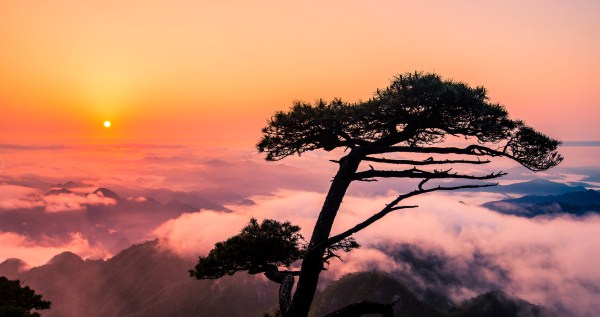
Spanning an area of 229.5 square kilometers, Sanqing Mountain is a marvel of natural beauty, featuring fantastically shaped granite pillars, dense forests, and diverse wildlife. Its unique geological formations, combined with striking meteorological phenomena such as clouds, fog, and stunning sunrises and sunsets, create an awe-inspiring environment. The mountain's highest peak, Yujing Peak, rises to an elevation of 1,819.9 meters, offering visitors panoramic views of the surrounding valleys and landscapes.
Sanqing Mountain is also a sacred site in Taoism, with a history of over 1,600 years. It is home to numerous ancient Taoist structures, including temples, palaces, and bridges, making it a significant location for the study of ancient Chinese Taoist architecture. The mountain's natural and cultural significance, combined with its accessibility and year-round appeal, makes it a popular destination for tourists and spiritual seekers alike.
Tourism
Sanqing Mountain is a premier tourist destination, attracting visitors from around the world with its stunning natural beauty and rich cultural heritage. The mountain's unique landscapes, characterized by fantastically shaped granite peaks, dense forests, and diverse wildlife, offer a variety of outdoor activities and sightseeing opportunities.
The mountain's six main scenic spots—Longevity Garden Scenic Spot, Yujing Peak Scenic Spot, Sanqing Temple Scenic Spot, Sunshine Seashore, West Seashore, and Nanqing Park—each offer unique attractions and experiences. Yujing Peak, the highest point on the mountain, provides breathtaking views of the surrounding valleys and is a popular spot for watching the sunrise and sunset. Nanqing Park is renowned for its peculiar peaks and delicate rock formations, while the Sanqing Temple Scenic Spot offers a glimpse into the mountain's rich Taoist heritage.
Sanqing Mountain is accessible year-round, with an ideal sightseeing season that spans all months. Visitors are advised to wear comfortable clothing for climbing and to consider purchasing travel insurance for their trip. The mountain's opening hours vary slightly by season, with extended hours from February to December and shorter hours in January.
In addition to its natural and cultural attractions, Sanqing Mountain also offers opportunities for educational and cultural experiences. For example, children dressed in traditional Taoist clothing have participated in activities such as learning tai chi, Chinese calligraphy, and playing the guzheng musical instrument on the mountain. These activities highlight the mountain's role as a center for cultural education and preservation.
Sanqing Mountain's status as a UNESCO World Heritage Site and a State 5A Tour Zone underscores its importance as a global and national treasure. Its combination of natural beauty, cultural significance, and accessibility makes it a must-visit destination for travelers seeking a unique and enriching experience.








